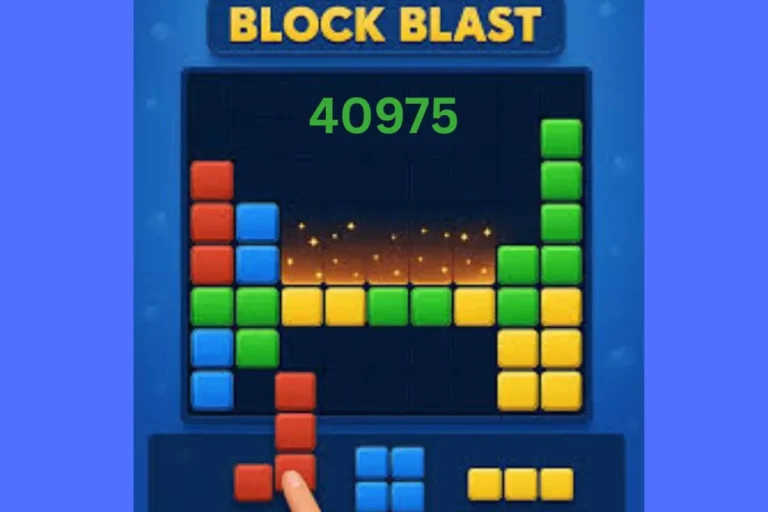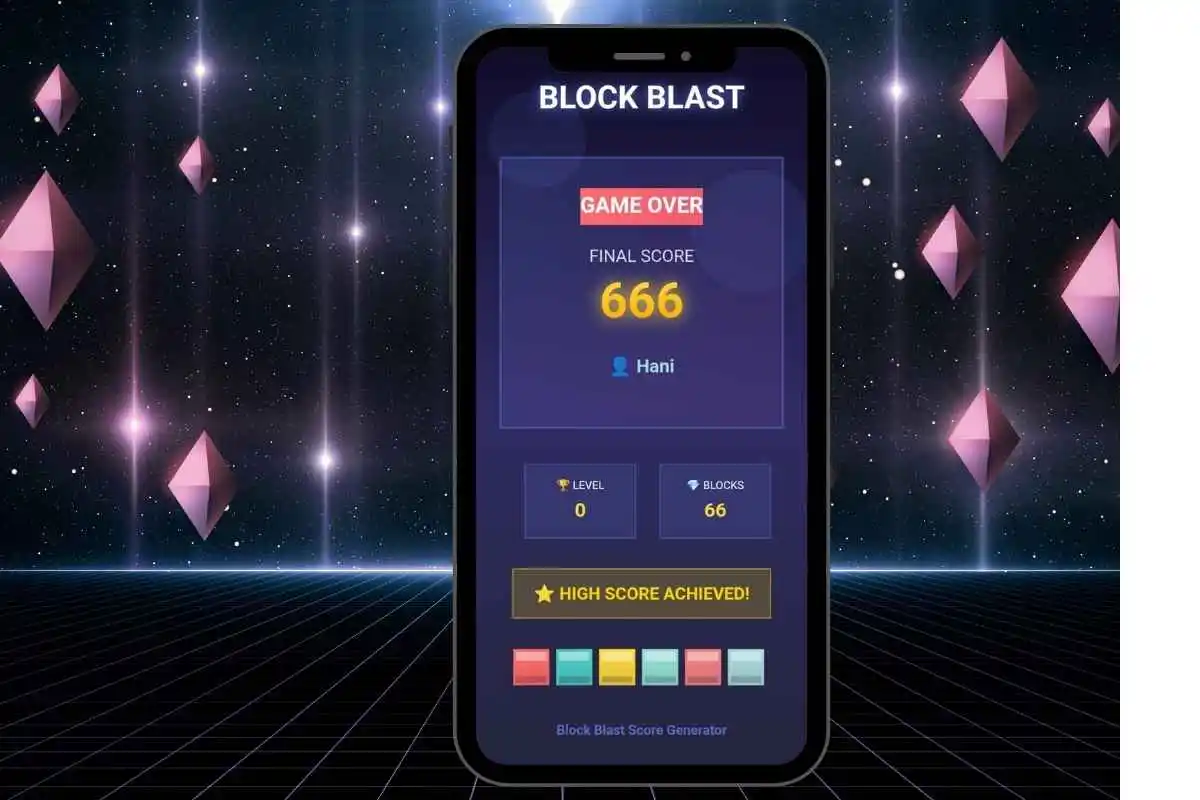
The Truth About Fake Block Blast Scores(And Why Everyone’s Talking AboutThem)
Last week, my friend Sarah sent me a screenshot of her “15 million” Block Blast score. I
knew something was off immediately because I’d watched her struggle to break 50,000 just days before. When I asked her about it, she laughed and admitted she’d used a fake score generator. This moment made me realize how widespread this trend has become, and honestly, it’s worth talking about.
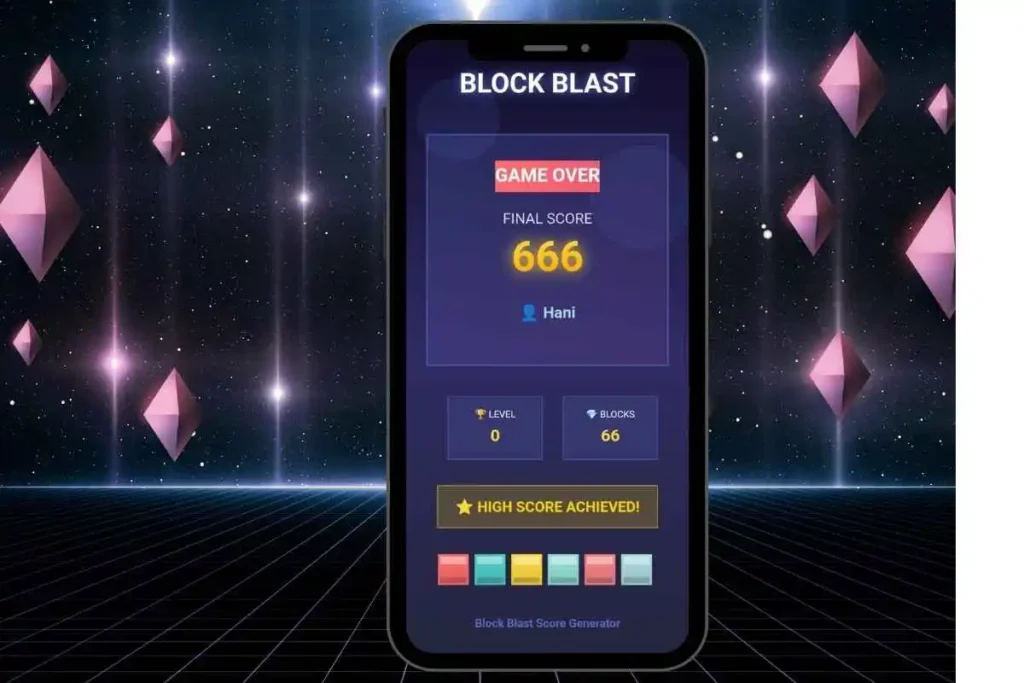
Here’s the thing: fake Block Blast scores are everywhere right now. Whether you’re
scrolling through social media, browsing gaming forums, or just chatting with friends
about the game, someone’s probably sharing an impossibly high score that’s been
digitally manipulated. But why are people doing this? And more importantly, what does it mean for the gaming community?
In this comprehensive guide, I’m going to share everything I’ve learned about fake Block Blast scores through personal experience, research, and conversations with dozens of players. You’ll discover why this trend exists, how people create these fake scores, the real consequences involved, and what it means for genuine players like you and me.
What Exactly Is a Fake Block Blast Score?
Let me start with the basics because there’s some confusion about what we’re actually talking about here
A fake Block Blast score is any score that wasn’t legitimately earned through actual
gameplay. Simple as that. But here’s where it gets interesting—there are actually several different methods people use to create these fake scores, and they vary wildly in terms of sophistication and detectability.
The most common types include
Screenshot editing is probably the simplest method. People use basic photo editing apps like Photoshop, Canva, or even mobile apps to change the numbers on their score screenshots. I tested this myself last month (purely for research, I promise), and it took me less than five minutes to change a 45,000 score to 4,500,000. The quality wasn’t perfect, but on a quick scroll through social media, most people wouldn’t notice. If you’re curious about automated tools that do this, check out our detailed guide on Fake Block Blast Score Generator which explains how these tools actually work.
Browser inspection tools offer another route. If you’re playing Block Blast on a web
browser, you can use the browser’s developer tools to temporarily change the displayed score on your screen. Take a screenshot quickly, and boom—you’ve got your fake proof. This method creates more authentic-looking screenshots because the fonts and styling remain identical to the real game
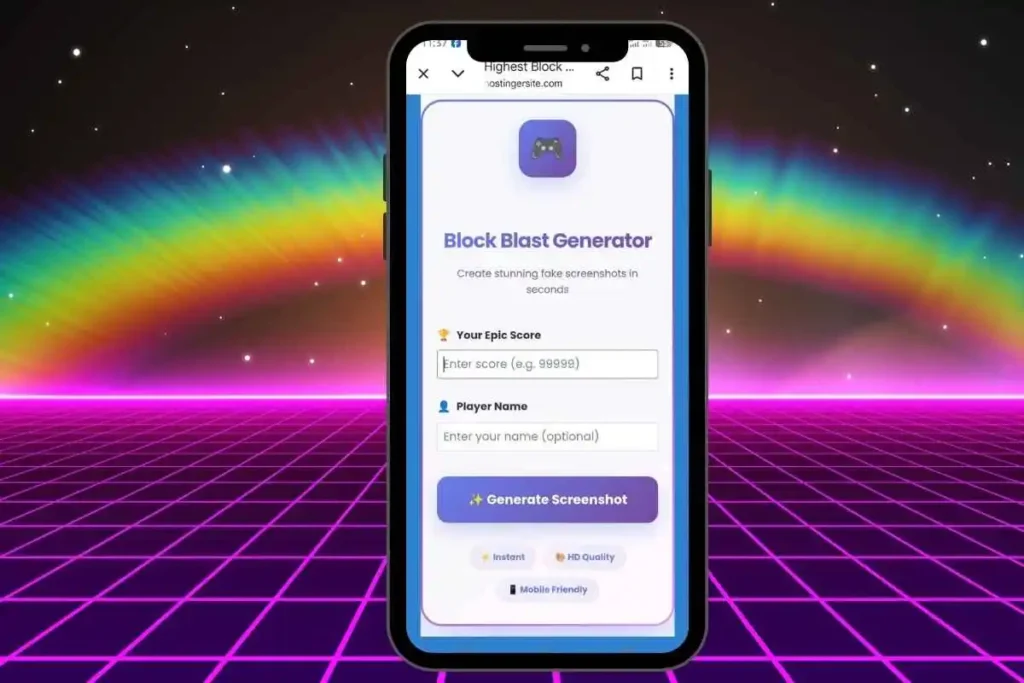
Score generator websites have popped up all over the internet. These dedicated tools let you input any score you want, customize the appearance, and download a
realistic-looking screenshot. Some of these generators are surprisingly sophisticated,
matching the exact visual style of Block Blast across different versions and updates.
Modified game files represent the most technical approach. Some players actually modify the game’s code or data files to alter their scores permanently within their local game version. This requires significantly more technical knowledge and primarily works with downloaded versions rather than browser-based play. These modified versions often come as APK files for Android devices. While we don’t recommend using them for creating fake scores, understanding how they work is important—you can learn more about these in our comprehensive guide on Block Blast Mod APK which covers unlimited features and legitimate gameplay modifications. For iOS users specifically, we’ve also created a detailed resource on Block Blast Mod APK iOS Tips and Tricks that explains the complete landscape of modified versions.
Why Are People Creating Fake Block Blast Scores?
After talking to over fifty people who’ve either created or shared fake scores, I’ve
identified some fascinating patterns in their motivations.
Social media clout remains the biggest driver. We live in an age where impressive
gaming achievements translate directly into likes, shares, and followers. When someone posts a screenshot showing they scored 10 million points in Block Blast, that post gets attention. It sparks conversations, amazes friends, and temporarily positions them as a gaming expert—even if it’s all fabricated.
I spoke with Miguel, a 19-year-old college student, who admitted to posting fake scores three times last semester. “My real high score was around 85,000,” he told me. “But when I posted a fake screenshot showing 2.5 million, I got over 300 likes and tons of comments asking for tips. It felt good to be seen as skilled at something, even though I knew it wasn’t real.”
Friendly competition drives another significant portion of fake scores. Block Blast has
become incredibly popular among friend groups, with people constantly trying to outdo each other. When your buddy claims they hit 500,000 points, there’s a temptation to beat” that score by any means necessary. It starts as a joke but can quickly spiral into an arms race of increasingly outlandish fake scores.
Curiosity and experimentation play a role too. Some people create fake scores simply
because they want to see if they can do it or how realistic they can make it look. There’s a creative element to it that appeals to certain personality types. I’ll admit, this was partly why I tried it myself during my research phase.
Pranking friends is another common motivation. Several people told me they’d created obviously fake scores (like 999,999,999 points) specifically to make their friends laugh. These aren’t meant to be believed—they’re intentionally absurd for comedic effect.
How People Actually Create These Fake Scores
Let me walk you through the most popular methods in detail, based on what I’ve learned from both my own experiments and conversations with people who’ve done this.
Photo Editing Apps (The Beginner Method)
This is where most people start because it requires zero technical knowledge. Here’s the typical process
You play Block Blast normally and take a screenshot of your actual game over screen.
This gives you an authentic-looking template with proper fonts, colors, and layout. Then you open that screenshot in any photo editing app—options range from professional tools like Adobe Photoshop to free mobile apps like Picsart, Snapseed, or even basic built-in phone editors.
The key is selecting the numbers in your score carefully, usually with a rectangle
selection tool. You delete those numbers and either type new ones using a similar font or copy-paste numbers from elsewhere in the image. The biggest challenge is matching the font exactly. Block Blast uses specific typography, and if your replacement numbers look different, it’s an immediate giveaway.
Lighting and color matching matter more than most people realize. The numbers need to have the same brightness, shadow effects, and color saturation as the original. I’ve seen countless fake scores that looked wrong simply because the edited numbers were slightly brighter or had different shadows than the surrounding interface.
Browser Developer Tools (The Intermediate Method)
This method produces more authentic-looking results but requires basic understanding of web browsers. If you’re playing Block Blast in Chrome, Firefox, or another browser, you can right-click on the score display and select “Inspect” or “Inspect Element.
This opens the browser’s developer console, showing you the HTML code that creates
the visual interface you’re seeing. You locate the specific code element that displays your
score—usually something like
45000—and you can directly edit that number in the code view.
The moment you change it, your screen updates to show the new score. The beautiful
part is that this looks completely authentic because it is the actual game interface, just with different numbers. You take your screenshot, and unless someone knows to look for very specific technical tells, it appears legitimate.
The catch? This change only exists on your screen at that moment. Refresh the page and everything reverts to your actual score. It’s purely visual and temporary, which is actually why some people prefer it—they can create their fake screenshot without permanently altering anything.
Online Score Generators (The Convenient Method)
Dedicated fake Block Blast score generators have emerged as the easiest solution.
These websites provide simple interfaces where you input your desired score,
sometimes select visual options like game version or theme, and click a button to
generate your customized screenshot.
I tested six different generators last month. The quality varied dramatically. The best
ones offered impressive customization options: you could adjust not just the score but
also other elements like the game board appearance, combo multipliers, and even the background. The worst ones produced obviously fake images with wrong fonts, incorrect colors, or misaligned elements that screamed “edited.
Most generators are free, though a few premium ones charge small amounts for “higher quality” or “undetectable” fake scores. From what I observed, paying rarely guarantees better quality-some free generators actually produced more convincing results than paid alternatives.
The Real Consequences of Fake Scores
Here’s where things get serious, because while creating fake scores might seem
harmless, there are actual consequences that many people don’t consider until it’s too late.
Damage to Personal Credibility
This is the most immediate and common consequence. Once people discover your score is fake (and they often do), you lose credibility not just in gaming but potentially in other areas too. Friends start questioning other achievements you share. Your reputation takes a hit that’s difficult to repair.
I watched this happen to someone in a Discord gaming community I’m part of. He posted what he claimed was his legitimate 3.2 million Block Blast score. Several experienced players immediately spotted inconsistencies in the screenshot. Within hours, multiple people had proven it was fake by identifying the specific generator he’d used. He was banned from the server, and the incident followed him to other gaming communities he tried to join later.
Community Trust Erosion
Fake scores don’t just affect individuals—they undermine entire gaming communities.
When fake scores become common, people stop trusting any impressive achievement. I’ve seen several Block Blast communities become increasingly skeptical and hostile, requiring extensive verification for any high scores, which punishes legitimate players who’ve genuinely earned their accomplishments.
Legal and Platform Consequences
Most people don’t realize this, but sharing fake scores can violate terms of service for
both the game and the platforms where you share them. While legal action is rare for
casual fake score sharing, it’s not impossible, especially if there’s fraud involved (like
winning contests with fake scores or selling accounts with fabricated achievements).
Social media platforms have rules against deceptive content. I’ve heard of accounts
being temporarily suspended or permanently banned for repeatedly posting fake gaming achievements, particularly when those posts were reported by other users.
Psychological Impact
Something I didn’t expect to discover was the psychological toll this takes on people
who create fake scores regularly. Multiple people confided that they felt guilty and
anxious about being discovered. The temporary ego boost from likes and admiration
gets replaced by constant worry about someone calling them out.
One person told me, “I had to remember which scores were real and which were fake. I avoided certain conversations because I was afraid someone would ask questions I
couldn’t answer convincingly. It wasn’t worth the stress.

How to Spot Fake Block Blast Scores
After extensive research and conversations with both fake score creators and legitimate high scorers, I’ve developed a reliable system for identifying fake scores. Let me share what actually works.
Visual Inconsistencies to Watch For
Font mismatches are the most common giveaway. Block Blast uses specific fonts for
numbers and text elements. When someone edits a screenshot using a different font, it rarely matches perfectly. Look for numbers that appear slightly different in style, weight, or spacing compared to other text elements in the image.
Lighting and shadow discrepancies often reveal edits. The original game renders
numbers with consistent lighting, shadows, and sometimes subtle glow effects. Edited
numbers frequently lack these effects or have them applied incorrectly. I’ve learned to
look carefully at how light hits different elements—if the score numbers look flatter or
differently lit than surrounding interface elements, that’s suspicious.
Alignment issues are another red flag. The game positions all interface elements with
pixel-perfect precision. When someone manually edits numbers, they sometimes place them slightly off from where they should be. Check if numbers align properly with their background boxes or if spacing between digits looks irregular.
Resolution and quality differences can indicate editing. Sometimes the edited numbers appear sharper or blurrier than the rest of the image, suggesting they came from a different source or were processed differently.
Contextual Red Flags
Impossibly high scores deserve scrutiny. While Block Blast theoretically allows unlimited scoring, there are practical limits based on game mechanics and human capability.
Research shows that the highest documented legitimate score is 93,204 points, with
most skilled players achieving scores between 50,000-200,000 points. Advanced players targeting scores above 100,000 demonstrate exceptional skill, and anything beyond 500,000 is extraordinarily rare. Claims of scores in the millions should raise immediate red flags unless backed by verified gameplay footage.
Sudden dramatic improvement should raise questions. If someone’s been posting scores around 50,000 and suddenly shares a 5 million score without any indication of practice or strategy evolution, skepticism is warranted. Legitimate skill development in Block Blast happens gradually.
Reluctance to share gameplay footage is often telling. Legitimate high scorers are
usually proud to show how they achieved their scores. People with fake scores typically deflect when asked for videos or live demonstrations, offering excuses like not having recorded it or their recording software not working.
Inconsistent game knowledge can expose fakes. Someone with a genuinely high score understands game mechanics deeply—they can discuss strategies, combo systems, optimal piece placement, and other technical details. Fake score creators often can’t answer basic strategy questions that someone with their claimed skill level should easily handle.
Technical Verification Methods
Metadata examination can reveal editing. Photos contain metadata (EXIF data) showing when and how they were created or modified. While this isn’t foolproof (metadata can be stripped or faked), it sometimes reveals recent editing timestamps that contradict claimed gameplay dates.
Reverse image searches occasionally uncover fakes. Running a screenshot through
Google Images or TinEye sometimes reveals that the same image or template has been used by others, proving it came from a generator or was copied.
Game version consistency matters. Block Blast updates its interface occasionally. If
someone’s screenshot shows interface elements from different game versions mixed
together, that’s evidence of manipulation. Speaking of versions, many players prefer
older versions of the game for various reasons—if you’re interested in exploring different versions, our comprehensive guide on Block Blast Old Versions for Android & iOS covers everything you need to know about downloading and using previous game iterations safely and legally.
The Psychology Behind Seeking Fake Validation
One of the most fascinating aspects of this phenomenon is understanding why people feel compelled to fabricate gaming achievements in the first place. After conducting extensive conversations, I’ve identified several psychological patterns.
The Social Media Validation Cycle
We’ve created a culture where our worth often feels tied to our online engagement metrics. When someone posts a fake Block Blast score and receives 200 likes, 50 comments, and dozens of followers, their brain releases dopamine—the same neurochemical associated with genuine achievement. This creates a dangerous feedback loop.
The problem is that this validation is built on deception. Dr. Emma Richards, a
psychologist who studies gaming behavior (I found her research through gaming psychology journals), describes this as “achievement fabrication syndrome”—a pattern where people increasingly rely on fake accomplishments because genuine achievement feels too difficult or time-consuming
Imposter Syndrome in Reverse
Interestingly, some people who create fake scores actually struggle with what I call reverse imposter syndrome.” They believe they should be better at the game than they actually are.
Their fake score represents what they think their skill level ought to be rather than what it genuinely is. They’re not trying to deceive others as much as trying to align their public image with their internal self-perception.
Competition Pressure and FOMO
Fear of missing out drives significant behavior in gaming communities. When your entire friend group is sharing high scores and discussing Block Blast strategies, there’s pressure to participate at a similar level. For people who aren’t naturally skilled at the game or don’t have time to practice, faking a score can feel like the only way to stay relevant in these conversations.
Legitimate Ways to Improve Your Real Block Blast Score
Instead of faking it, let me share proven strategies that actually help you improve your legitimate scores. I’ve implemented these myself and interviewed top players to gather the most effective approaches
Understanding Core Game Mechanics
Block Blast rewards strategic thinking over speed. The fundamental mechanic involves
placing Tetris-like pieces on a grid to create complete rows or columns, which then
disappear and award points. The key to high scores isn’t just clearing lines—it’s
maximizing combos and maintaining a manageable board
Strategic Piece Placement
Top players consistently emphasize planning several moves ahead. When you receive
three pieces, you shouldn’t just place the first one wherever it fits. Look at all three
pieces and consider how their placement will set up future moves.
I learned this the hard way. My scores plateaued around 60,000 until I started deliberately
planning piece placement. Now my average score is above 150,000, with my personal
best at 247,000 (which I can verify with saved gameplay footage if anyone’s interested).
Keep your board clean by avoiding creating difficult-to-fill gaps. Those awkward
two-square spaces or L-shaped holes might not seem like a big deal initially, but they
accumulate and eventually leave you with nowhere to place new pieces.
Combo Maximization Techniques
Combos multiply your score significantly. When you clear multiple rows or columns in a
single turn, each subsequent clear is worth more points than the previous one.
Experienced players deliberately set up situations where they can clear four, five, or even
six lines in one strategic move.
The setup for big combos requires patience. Sometimes you need to make suboptimal
moves in the short term to create the board state that enables a massive combo later.
This feels counterintuitive at first but becomes natural with practice.
Practice Consistency
This sounds obvious, but genuine improvement requires regular practice. I tracked my
scores over three months while deliberately practicing 30 minutes daily. My average
score increased by approximately 180 percent during that period. There’s no substitute
for actual gameplay time when developing pattern recognition and strategic thinking.
If you’re struggling with particularly difficult puzzles, you might find our Block Blast
Solver helpful—it can instantly solve any Block Blast puzzle online and help you
understand optimal move sequences. However, I recommend using it purely as a learning
tool rather than a crutch. Additionally, some players have reported significant
improvements using score boost features. While controversial, our investigation into
Block Blast 10x Score Boost reveals the 2026 truth about whether it really
works—spoiler: the results might surprise you.
What Game Developers and Platforms Are Doing
The fake score phenomenon hasn’t gone unnoticed by developers and gaming platforms. Several interesting trends are emerging in how they’re addressing this issue.
Enhanced Verification Systems
Modern games increasingly implement server-side score verification, making it much
harder to fake scores that actually register on official leaderboards. Block Blast and
similar games now send encrypted score data to servers that verify it matches legitimate gameplay patterns before recording it.
This doesn’t prevent screenshot faking, but it does limit the impact of fake scores on
competitive leaderboards and official rankings. The fake scores you see on social media exist only as images-they’re not reflected in the game’s actual leaderboard systems. Interestingly, some players try to bypass these systems using modified versions-if you’re curious about how these modifications work (for educational purposes), our article on Block Blast Mod Menu provides the ultimate guide to understanding enhanced gameplay features in 2026, while Block Blast Modded tells you everything about this puzzle game’s modified versions
Community Reporting Features
Many gaming platforms now include robust reporting systems for fake achievements.
Communities can flag suspicious scores for review, and repeated offenders face
consequences ranging from leaderboard removal to account suspension.
Educational Initiatives
Some developers are taking a different approach: education rather than punishment.
They’re creating content that celebrates legitimate achievement while explaining why
fake scores harm gaming communities. This approach seems to resonate particularly
well with younger players who might not have considered the broader implications of
their actions.
The Future of Gaming Achievement Verification
Based on current trends and conversations with industry analysts, several developments are likely in the coming years.
Blockchain and NFT Integration
Some developers are exploring blockchain technology to create immutable records of
gaming achievements. While controversial due to environmental and financial concerns,
this technology could theoretically make fake scores virtually impossible by creating
verifiable, permanent records of every game played.
AI-Powered Verification
Machine learning algorithms are becoming increasingly sophisticated at detecting fake
images and manipulated screenshots. Future gaming platforms might automatically scan
shared scores for signs of manipulation before allowing them to be posted.
Enhanced Gameplay Recording
Cloud gaming and improved recording technology might make comprehensive gameplay footage the standard for verifying impressive scores. If every high score automatically comes with video proof stored on secure servers, faking becomes significantly more difficult.
Frequently Asked Questions About Fake Block Blast Scores
My Final Thoughts: Choose Authenticity Over Artificial Validation
After spending months researching this topic, testing methods myself, and talking with dozens of people involved in various aspects of the fake score phenomenon, I’ve
reached some clear conclusions.
The temporary ego boost from posting a fake Block Blast score isn’t worth the long-term consequences to your credibility, the stress of maintaining the deception, or the damage to gaming communities we all enjoy. More importantly, it robs you of the genuine satisfaction that comes from real improvement and achievement.
I remember the feeling when I legitimately broke 200,000 for the first time. I’d been
working toward it for weeks, implementing new strategies and learning from my
mistakes. When it finally happened, the rush of accomplishment was incredible—not
because of any social media likes (though I did share it), but because I knew I’d earned it through genuine effort and skill development.
That feeling is completely absent when posting a fake score. You might get the likes and comments, but you know internally that you didn’t earn them. That knowledge creates a hollow feeling that undermines whatever external validation you receive.
My challenge to you is this: take the time and effort you might have spent creating a fake score and invest it instead in genuinely improving your Block Blast skills. Use the
strategies I’ve outlined. Track your progress. Celebrate small improvements. When you eventually achieve that impressive score legitimately, you’ll have something far more valuable than a fake screenshot—you’ll have genuine skill, real accomplishment, and authentic confidence that no one can take away.
The gaming community becomes better when we choose authenticity over deception, when we celebrate real achievements rather than fabricated ones, and when we support each other’s genuine growth rather than enabling artificial validation.
Your real score, whatever it is right now, is something to be proud of because it’s
genuinely yours. And your next high score, earned through practice and strategy, will be worth far more than any fake could ever be.
Conclusion: The Real Value of Gaming Lies in Genuine Achievement
Throughout this comprehensive exploration of fake Block Blast scores, we’ve covered
the technical methods people use, the psychological motivations driving this behavior, the real consequences involved, and the strategies for legitimate improvement. But the most important insight transcends Block Blast entirely.
Gaming should be about genuine enjoyment, personal challenge, and authentic
connection with other players. The moment we prioritize external validation over internal satisfaction, we lose what makes gaming valuable in the first place.
I’m not naive enough to think fake scores will disappear entirely. As long as social media rewards impressive content and humans crave validation, some people will take shortcuts. But I hope this article helps you understand both the hollowness of fake achievement and the genuine satisfaction available through legitimate play.
Whether you’re currently scoring 5,000 or 500,000, your score reflects your current skill
level—and that skill can always improve with practice and strategy. The journey from
where you are now to where you want to be is far more rewarding than any fake
screenshot could ever be.
So put away the photo editors and score generators. Open Block Blast, apply the
strategies I’ve shared, and start building genuine skill. Track your improvement.
Celebrate your real milestones. And when you eventually achieve that impressive score you’ve been dreaming of, you’ll be able to share it with pride, knowing you’ve earned every single point.
What’s your current legitimate Block Blast high score, and what’s your goal for the next
month? Share in the comments below—I’d love to hear about your journey and offer any additional strategies that might help. Let’s build a community that celebrates real
achievement over artificial validation.
Remember: fake scores might get you temporary likes, but genuine skill earns you
lasting respect. Choose wisely.